 Okoora TeamOkoora
Introduction
Embedded finance is rapidly changing the landscape of financial services, allowing non-bank businesses to offer banking-like experiences directly within their platforms. Neo-banks and payment companies are particularly well-positioned to leverage embedded finance, as it enables them to integrate financial products — such as payments, lending, and multi-currency management — seamlessly into their ecosystems. In this guide, we explore the transformative potential of embedded finance for financial institutions and outline essential tools for success.
Key Topics Covered:
- What is Embedded Finance?
- Why Embedded Finance is Essential for Neo-Banks and Payment Companies
- Key Tools and Technologies in Embedded Finance
- Building a Competitive Edge with Embedded Finance
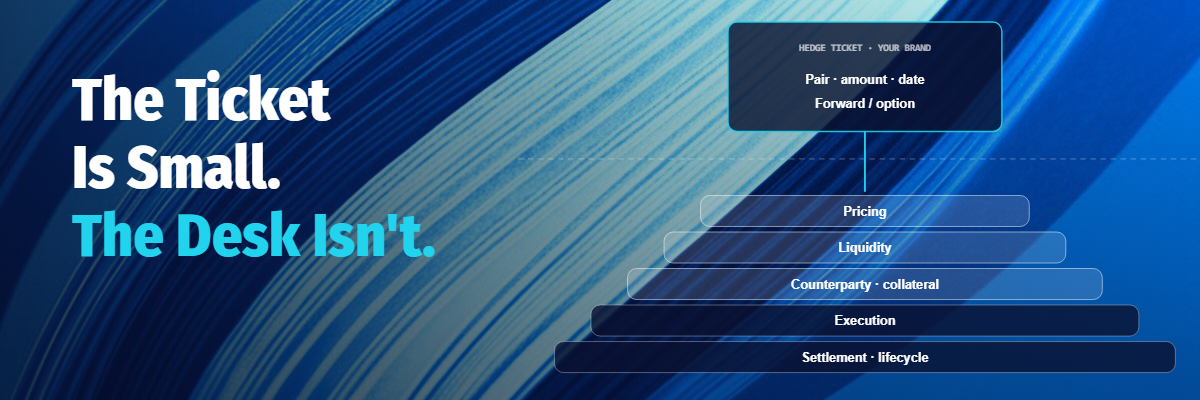
For example, a company that operates internationally and deals with different currencies might hedge against the risk of one currency losing value compared to another. This ensures financial stability by locking in favorable exchange rates, protecting profit margins, and stabilizing cash flow.
1. What is Embedded Finance?
Embedded finance is the integration of financial services into non-financial platforms, allowing users to access banking functionalities without leaving the platform. By embedding services like payments, credit, and even investment options, companies can offer customers a more seamless, accessible financial experience.
Embedded finance enables non-traditional bank institutions—such as neo-banks, payment companies, and marketplaces—to provide services that traditionally required banking infrastructure, such as:
- Payment Processing: Enabling transactions directly within a platform, removing the need for users to use external payment gateways.
- Lending: Offering lines of credit or financing options to customers and businesses.
- Multi-Currency Accounts: Providing users with the ability to hold and manage funds in multiple currencies.
- FX Risk Management: Integrating tools to manage currency volatility for international transactions.
Example: A neo-bank can embed lending services to offer business clients instant access to working capital, without requiring users to visit an external lender.
2. Why Embedded Finance is Essential for Neo-Banks and Payment Companies
For neo-banks and payment companies, embedded finance isn’t just an added feature — it’s a pathway to growth, customer retention, and market differentiation. Here’s why embedded finance has become crucial for these institutions:
- Enhanced Customer Experience: Embedded finance allows customers to access financial services without needing to navigate away from the primary platform, creating a more streamlined experience.
- Increased Revenue Streams: By embedding services like FX management or multi-currency accounts, neo-banks and payment companies can generate new revenue through transaction fees, interest, or service subscriptions.
- Improved Customer Loyalty: Offering a suite of embedded financial tools builds customer loyalty by catering to diverse financial needs in one place.
- Efficient Cross-Border Transactions: Embedded finance simplifies international transactions by integrating multi-currency support and real-time FX solutions, allowing companies to operate seamlessly in multiple markets.
Example: A payment company that enables direct in-app payments and currency conversions for its customers gains a competitive edge, as clients no longer need to rely on separate banking platforms for these services.
3. Key Tools and Technologies in Embedded Finance
To fully leverage the benefits of embedded finance, neo-banks and payment companies need access to a robust toolkit. Here are the essential embedded finance tools transforming the industry:
- Multi-Currency Wallets
Multi-currency wallets enable users to hold, send, and receive funds in multiple currencies, facilitating global operations. They help businesses reduce conversion costs, enhance liquidity management, and improve transaction efficiency. - FX Risk Management Platforms
For companies with significant cross-border transactions, FX risk management tools are essential. Automated FX hedging and real-time risk monitoring allow businesses to minimize currency exposure and protect margins. - Embedded Payment Solutions
Embedded payment solutions streamline transactions by allowing businesses to process payments directly within their own platform. This capability enables companies to provide a smoother checkout experience, reduce third-party fees, and increase customer retention.
Compliance and Regulatory Tools
Compliance tools, such as automated KYC (Know Your Customer) and AML (Anti-Money Laundering) checks, help institutions meet regulatory requirements efficiently. Embedded compliance tools save time and mitigate regulatory risks, ensuring that transactions remain secure and compliant.
Example: A neo-bank focused on cross-border transactions embeds an FX risk management tool to help clients manage currency fluctuations and keep payments predictable. This feature enhances the platform’s value and builds trust with clients.
4. Building a Competitive Edge with Embedded Finance
As embedded finance continues to grow, neo-banks and payment companies that adopt these tools will see stronger competitive positioning and better customer retention. Here’s how embedded finance can create a market advantage:
- Faster Innovation and Product Launches
Embedded finance tools allow financial institutions to roll out new products and services without the need to build extensive infrastructure. By using ready-to-integrate solutions, companies can accelerate time to market and stay ahead of competitors. - Scalability for Expanding Client Bases
Embedded finance solutions are designed to scale, making it easier for neo-banks and payment companies to grow their services alongside their customer bases. This scalability allows institutions to enter new markets without overextending resources. - Increased Brand Value through Comprehensive Services
Offering a range of financial services in one platform positions neo-banks and payment companies as holistic providers, adding to brand value and customer loyalty. By providing tools like multi-currency accounts and FX management, companies meet client needs comprehensively, reducing the likelihood of customer churn.
Example: A payment company that introduces embedded finance services—such as real-time FX monitoring and compliance tools—can become a one-stop-shop for clients, increasing both convenience and customer retention.
Conclusion: The Future of Banking is Embedded
As the financial landscape evolves, embedded finance will continue to empower neo-banks and payment companies to deliver seamless financial experiences. With the right tools in place, these institutions can grow their offerings, enhance customer loyalty, and differentiate themselves in a competitive market.
Looking to integrate embedded finance solutions that support growth and innovation? Discover tools that empower neo-banks and payment companies to meet client needs today.
Learn more about embedded finance solutions, contact us for a consultation.