 Okoora TeamOkoora
In an increasingly interconnected global economy, the imposition of tariffs can cause ripple effects far beyond the targeted industries or borders. While tariffs are often framed in terms of trade policy and geopolitical strategy, they also have a profound and immediate impact on currency markets. For businesses with international exposure, understanding the embedded FX implications of tariff shocks is essential to managing risk and protecting margins.
Understanding tariff shocks
A tariff shock refers to a sudden or unexpected imposition (or increase) of import/export taxes between countries. These measures can disrupt global supply chains, shift pricing dynamics, and alter the competitive landscape. However, one of the less-discussed but critically important consequences is the volatility they introduce in foreign exchange markets.
Tariff announcements often trigger rapid movements in currency valuations. For example, when Country A imposes tariffs on goods from Country B, investors may perceive Country B’s economy as at risk, weakening its currency. Alternatively, if tariffs spark inflation fears, the imposing country’s currency may depreciate due to concerns about rising input costs.
The currency exposure multiplier
For multinational companies or import-export businesses, tariff shocks don’t just increase costs, they also amplify existing FX exposure:
- Price volatility: Sudden changes in input costs (due to tariffs) create uncertainty in profit margins.
- Currency misalignment: If the tariffed goods are priced in a foreign currency, any depreciation or appreciation intensifies financial unpredictability.
- Contractual rigidity: Long-term contracts denominated in foreign currencies may become unprofitable almost overnight.
This interplay makes real-time, embedded FX risk management crucial.
Embedded FX: A modern solution for real-time volatility
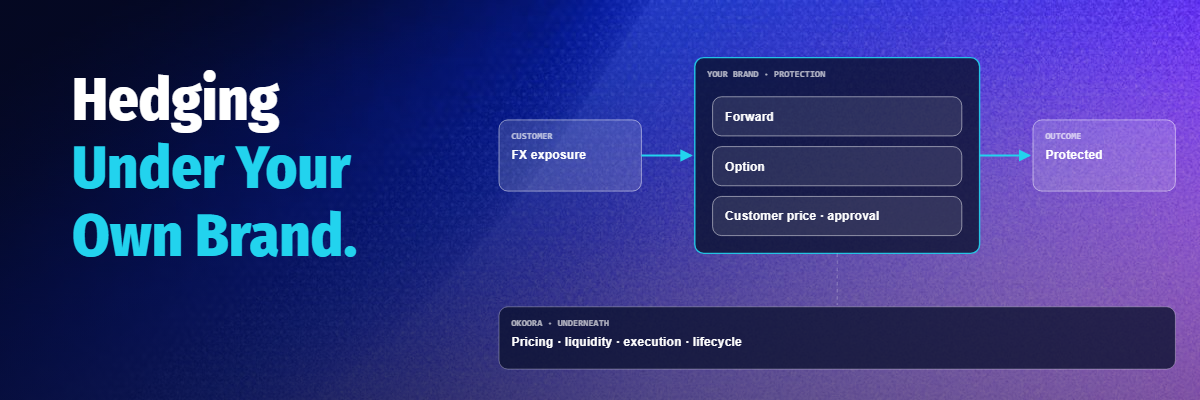
Traditional FX risk management often relies on periodic assessments, hedging strategies, and manual execution. But these tools fall short in responding to the speed and complexity of tariff-induced shocks. This is where embedded FX, the integration of automated, dynamic FX capabilities directly within a business’s transaction systems, becomes transformative.
Key benefits:
Instant reaction: Embedded FX solutions can dynamically adjust pricing or hedging strategies in response to live tariff news and FX rate changes.
Operational efficiency: Automation reduces latency, minimizing the delay between exposure identification and execution.
Customer-facing flexibility: For platforms that invoice or receive payments globally, embedded FX ensures that end-users see consistent pricing, regardless of geopolitical turbulence.
Strategic FX risk mitigation during trade tensions
To weather tariff shocks effectively, businesses should:
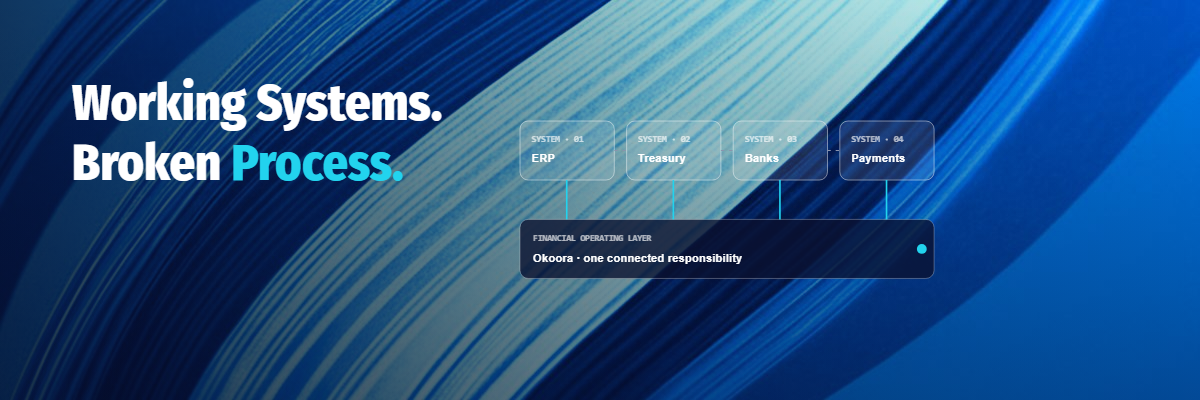
Integrate FX into operational systems: Ensure pricing, invoicing, and payment platforms are FX-aware and capable of adjusting in real-time.
Use automated hedging triggers: Set dynamic rules to auto-execute hedges when volatility thresholds are breached.
Monitor trade and policy developments: Build early-warning systems that correlate tariff news with FX market behavior.
Collaborate across teams: Treasury, procurement, sales, and tech must work together to understand FX exposure holistically.
Final thoughts
Tariff shocks are unpredictable by nature, but preparing for their consequences doesn’t have to be. Embedded FX capabilities allow businesses to move from reactive to proactive, transforming uncertainty into a manageable, measurable, and even strategic element of cross-border operations. In a world where policy shifts can send currencies into a tailspin, real-time FX agility isn’t just a luxury — it’s a necessity.
Whether you’re dealing with sudden tariff changes, volatile currency swings, or expanding into new markets, Okoora gives you the control, visibility, and speed you need to protect your bottom line.
Ready to make FX volatility a competitive advantage? Learn more and get started with okoora