 Okoora TeamOkoora
Introduction
Expanding into international markets brings substantial opportunities for European businesses, from new revenue streams to wider customer bases. Yet, managing cross-border payments is often a complex hurdle, with challenges ranging from currency conversion fees to regulatory compliance. In this guide, we’ll explore everything you need to know about cross-border payments, equipping you with insights and tools to streamline your global transactions and maximize profitability.
Key Topics Covered:
- Why Cross-Border Payments Matter for European Businesses
- Key Challenges and Costs of Cross-Border Transactions
- Essential Features of a Reliable Cross-Border Payment System
- Solutions That Simplify Cross-Border Payments
- Best Practices for Managing Global Transactions
1. Why Cross-Border Payments Matter for European Businesses
The EEA is home to a rapidly growing network of businesses expanding beyond national borders to serve a global audience. Whether you’re an SME or a financial institution, effective cross-border payment solutions are essential for:
- Building Customer Trust: Offering seamless, fast international payments shows customers you are a trusted global business.
- Enhancing Cash Flow: Multi-currency accounts allow you to manage funds in different currencies, reducing costly conversions and improving liquidity.
- Reducing Operational Complexity: Cross-border payment solutions that integrate FX management simplify your financial workflows, freeing up resources to focus on growth.
Example: An Italian business expanding into the Polish market needs a way to receive payments in zloty (PLN) without incurring high conversion fees. A multi-currency account makes this possible, allowing them to hold funds in PLN until favorable exchange rates make conversion more profitable.
2. Key Challenges and Costs of Cross-Border Transactions
European businesses face several challenges when managing cross-border payments. These challenges can impact profitability and create unnecessary complexities.
- Currency Conversion Fees: Converting funds frequently can erode profits. Multi-currency accounts allow businesses to avoid these fees by holding funds in local currencies.
- Compliance and Regulatory Issues: Cross-border transactions must comply with regulations like KYC (Know Your Customer) and AML (Anti-Money Laundering) protocols, which can be complex and time-consuming to manage.
- Transaction Delays: Traditional banking systems may process international payments slowly, causing delays and impacting cash flow.
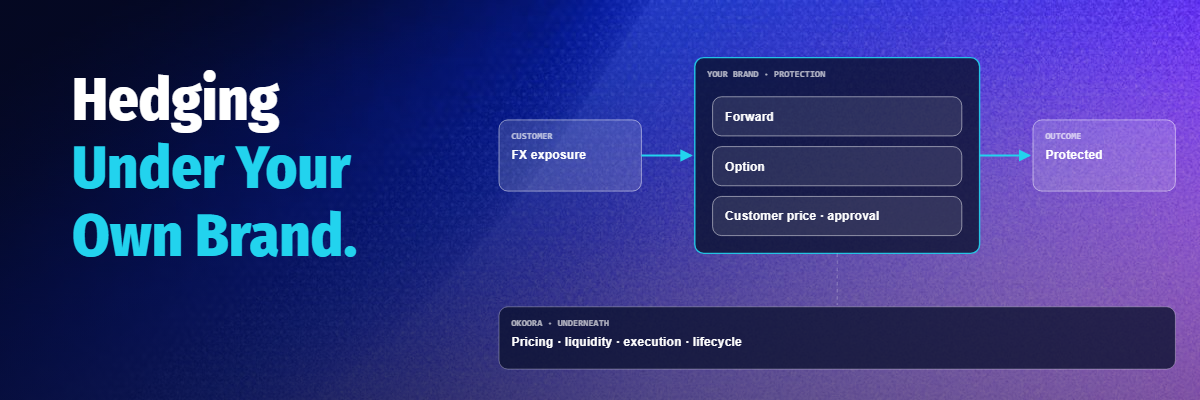
- FX Volatility: Exchange rate fluctuations can result in unexpected costs. Implementing FX risk management tools can protect your business from currency volatility.
Example: A German e-commerce company selling to UK customers experienced costly delays and unexpected FX costs due to pound-euro fluctuations. By implementing FX risk management strategies, they stabilized cash flow and reduced their currency exposure.
3. Essential Features of a Reliable Cross-Border Payment System
To navigate these challenges, European businesses need a reliable cross-border payment solution with these essential features:
- Multi-Currency Support: Allows businesses to hold, send, and receive payments in multiple currencies, reducing conversion fees and improving cash flow.
- Automated FX Risk Management: Proactively manage currency risk with automated tools that adjust based on market conditions.
- Real-Time Transaction Tracking: Stay updated on transaction status to optimize cash flow and provide transparency to your finance team.
- Integrated Compliance Tools: Simplify adherence to KYC, AML, and other regulations, reducing administrative workloads and mitigating risk.
- Flexible Settlement Options: Choose when to convert and settle funds to maximize currency rates and manage liquidity.
4. Solutions That Simplify Cross-Border Payments
For businesses exploring efficient ways to manage cross-border payments, digital platforms that offer multi-currency accounts, integrated FX risk management, and end-to-end compliance can significantly simplify operations. Solutions like these allow businesses to focus on growth rather than managing financial complexity.
Example: A mid-sized Polish tech company expanding into the UK and Germany adopted a platform with these capabilities to optimize cross-border payments, ensuring compliance and managing FX risks with minimal oversight. By using a solution designed to streamline these processes, they scaled faster and maintained strong financial control.
5. Best Practices for Managing Global Transactions
Implementing the right strategies can streamline cross-border payments, maximize cash flow, and reduce risk.
- Use Multi-Currency Accounts: Avoid constant conversions by holding funds in various currencies, giving your business greater flexibility.
- Implement Automated FX Risk Management: Automate your hedging strategy to manage FX risk dynamically, especially if you operate in volatile currency markets.
- Choose Flexible Settlement Windows: Time your currency conversions when rates are most favorable, or as your cash flow requires.
- Prioritize Compliance: Stay ahead of regulatory requirements by ensuring that all cross-border payments meet KYC, AML, and data protection standards.
- Partner with a Trusted Solution: Select a provider with a proven track record in multi-currency management and cross-border payment solutions to support sustainable growth.
Conclusion
Cross-border payments are vital for any European business with growth ambitions. However, these payments don’t need to be a burden. By choosing a platform that streamlines multi-currency management, automates FX risk control, and simplifies compliance, your business can unlock the full potential of international markets.
Ready to take your business global? Discover how a comprehensive solution for cross-border payments can help fuel your growth.
Learn more about streamlining cross-border payments, contact us for a free consultation