 Okoora TeamOkoora
A payout endpoint is easy to describe. A payout product is not
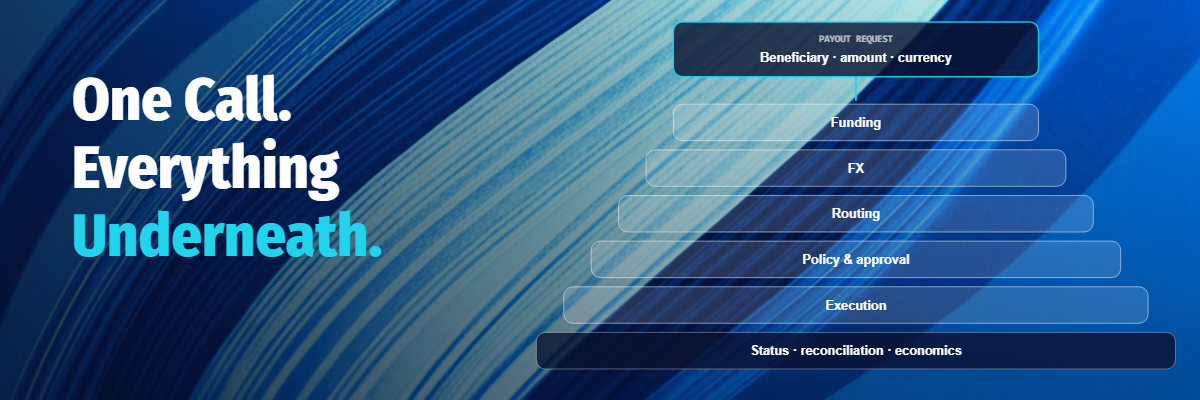
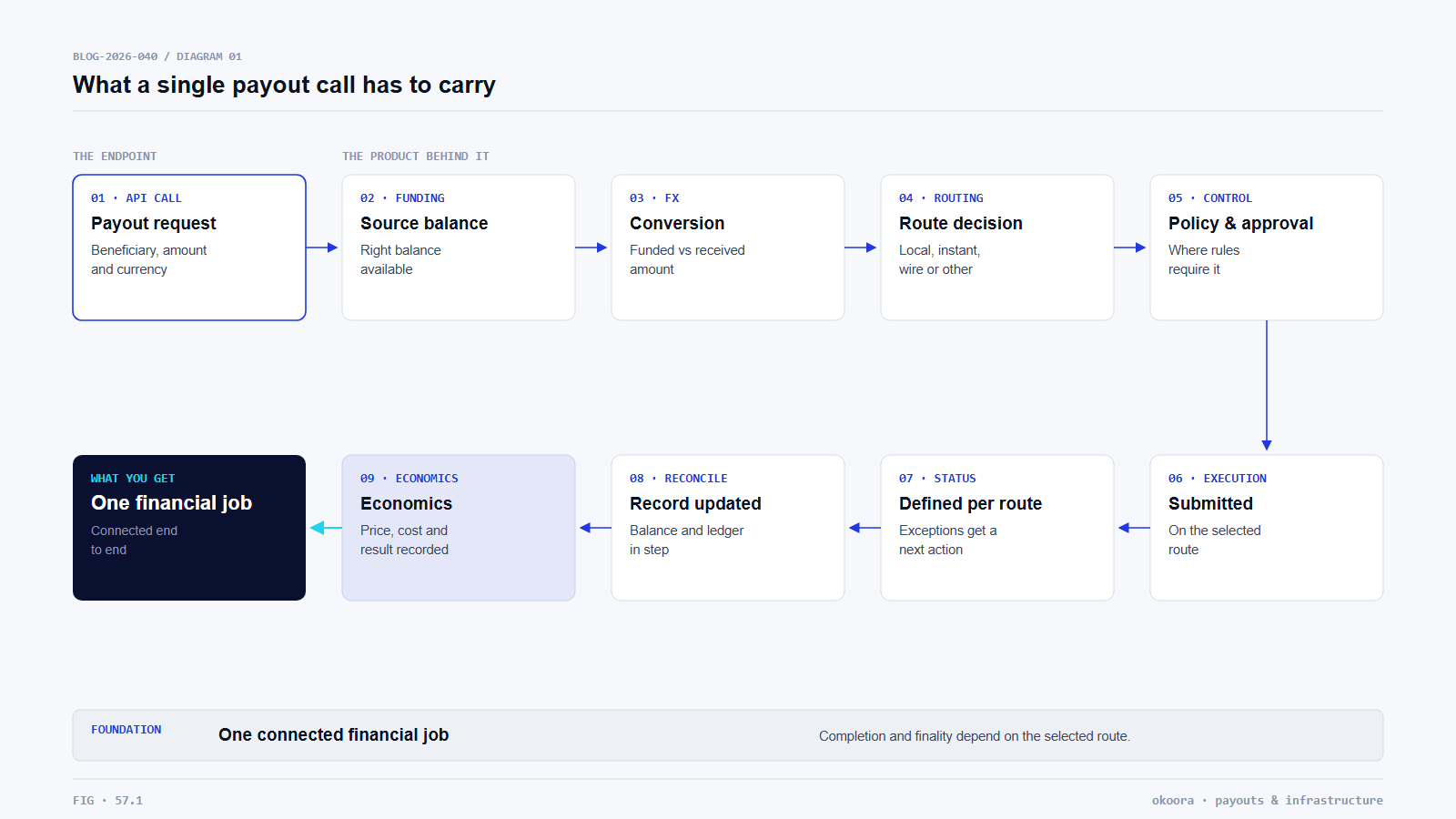
The simplest API description is attractive: send beneficiary, amount and currency, receive a payout ID. But the request only represents the start of the financial job. A real global payout product has to determine where the money comes from, whether currency conversion is required, which route is permitted, what the transaction will cost, whether policy or approval applies, what happened after submission and whether the beneficiary ultimately received the funds.
Funding is part of the payout
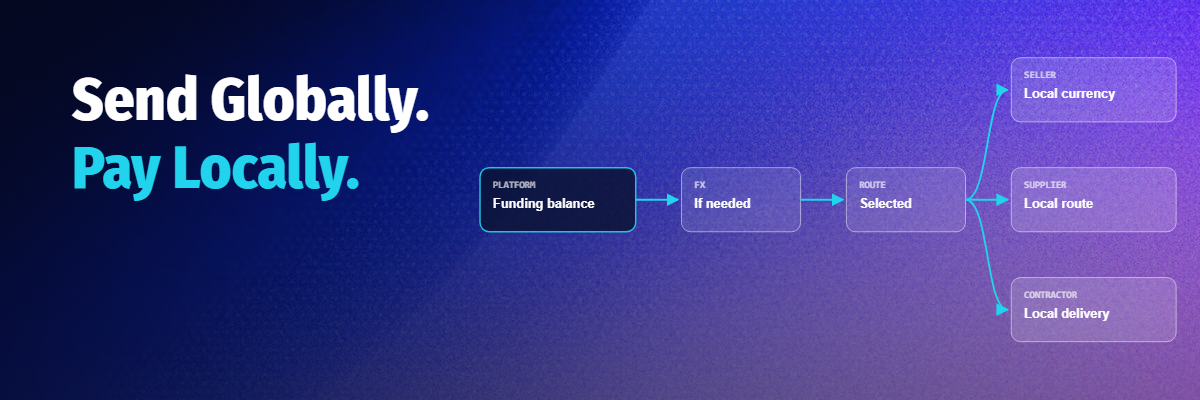
Before a payout can move, the system has to identify the funding source and confirm that the right balance is available. If the platform holds several currencies or accounts, that may involve selecting the appropriate source. If the source currency differs from the beneficiary currency, the payout needs a conversion path as part of the same economic action.
FX should be contextual, not bolted on
A cross-currency payout has an amount the platform funds and an amount the beneficiary receives. The execution rate, fees, timing and settlement conditions all affect the result. When FX is treated as a disconnected product, the platform has to stitch the transaction together itself. A stronger payout API returns a coherent economic action in which conversion and payment share the same transaction context.
Routing determines how the payout reaches the beneficiary
Global coverage is not one rail repeated across many countries. The infrastructure may use local clearing, instant schemes, international wires or other supported routes depending on destination, currency, provider and transaction conditions. Routing is therefore an operating decision. The API should abstract unnecessary complexity while retaining enough truth to explain how the payout is progressing.
Status and exception handling are part of the contract
The platform needs to know what “processing,” “sent,” “completed” or “failed” actually means for the selected route. It also needs a path when a payout cannot proceed because of beneficiary details, funding, availability or another condition. Without status discipline, the API simply moves operational uncertainty from the provider to the platform.
Pricing can turn infrastructure into a business line
When a platform offers payouts to customers, it may want to charge for the service or earn from the FX involved. That means the payout needs commercial context as well as technical context. The transaction should be traceable to the customer, the applied price and the financial result. Infrastructure that ignores monetization may move money successfully while leaving the platform unable to operate the service as a business.
Where Okoora fits
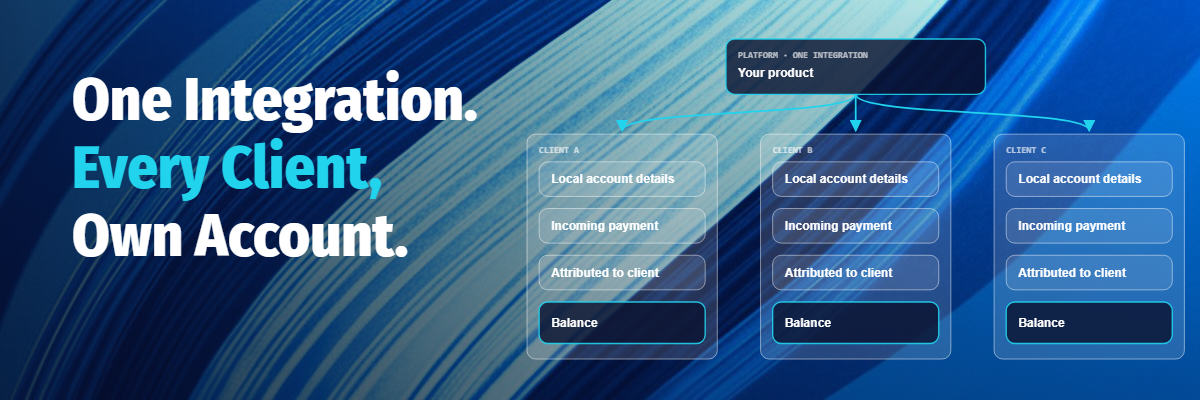
Okoora combines accounts, payments, FX, provider access and financial controls so a payout can be treated as one connected financial job. Platforms can embed the experience under their own brand while the underlying funding, conversion, routing, execution status and transaction record operate as one system.