 Benjamin AvrahamCEO
The best embedded product opportunity may already be moving through your business
Many institutions start new-product discussions by asking what feature to build. A wallet. International payments. FX. Credit. Hedging. A new account experience.
That is often the wrong first question.
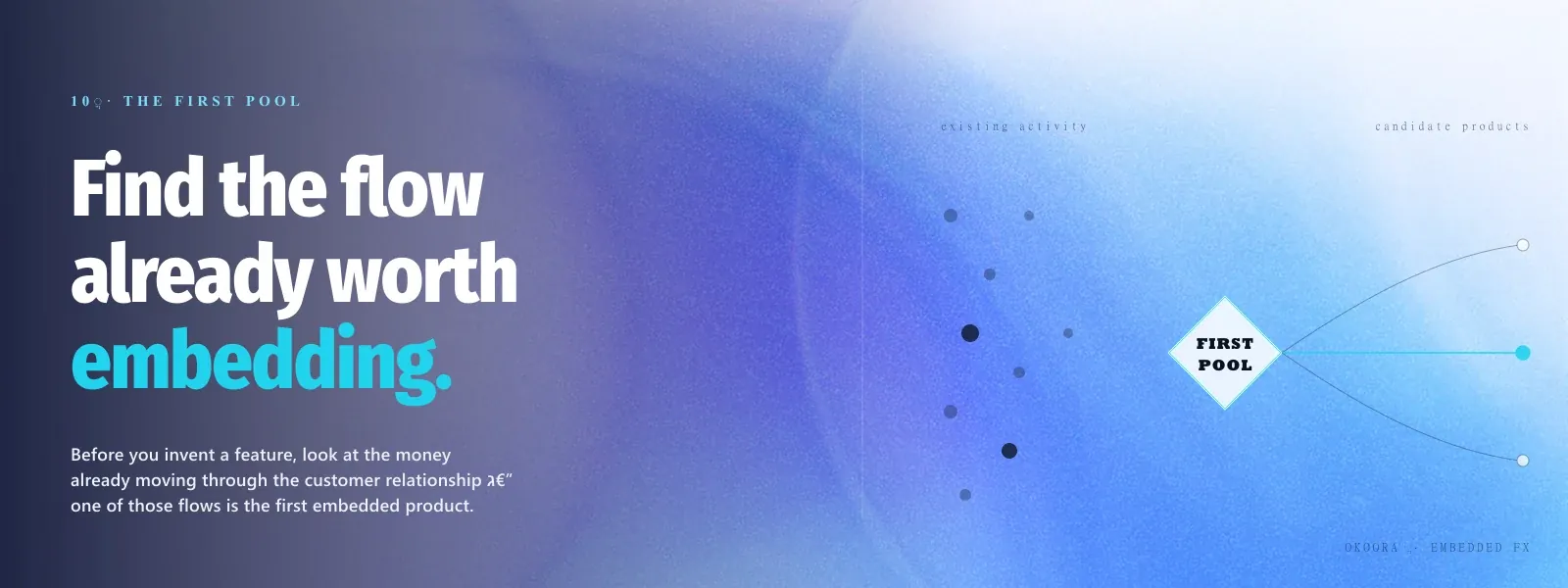
A stronger starting point is to look at the financial activity that already exists inside the customer relationship. Where does money already move? Where does a customer already receive, hold, pay, convert, protect or settle value? Where does the business already own trust, distribution, data or a recurring financial moment?
Those flows can reveal product opportunities that are more natural than a feature invented in isolation. The institution is not creating demand from zero. It is extending a financial relationship that already exists.
Start with the financial event, not the product category
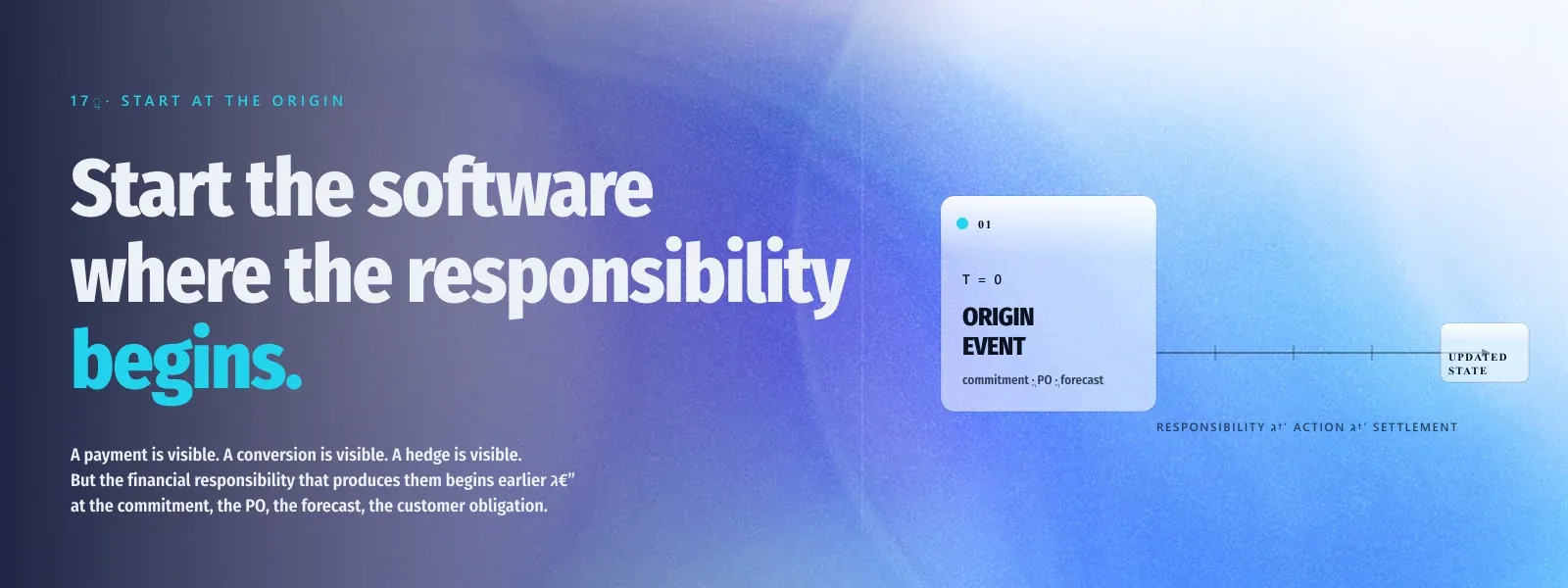
A useful first step is to map recurring financial events across the customer lifecycle. These may include a claim payout, supplier payment, marketplace settlement, subscription collection, travel booking, card-funded business payment, payroll event, merchant settlement or another moment where financial activity already occurs.
Do not decide yet whether the answer is a wallet, payment rail, FX service or another financial capability. First understand the event itself.
Ask four questions: What money is moving? Who controls the customer relationship at that moment? What does the customer need immediately before and after the event? What economic activity leaves the environment once the event is complete?
This reframes the opportunity. A payout is no longer only the end of a process. A payment is no longer only a transaction. A settlement is no longer only an operational obligation. Each can become the starting point for a broader customer product.
Look for an activity with three forms of leverage
The strongest first opportunity usually combines three kinds of leverage: customer leverage, economic leverage and implementation leverage.
Customer leverage means the activity is already meaningful to the customer. There is a reason to return, a financial job to complete, or an immediate benefit from staying inside the existing experience.
Economic leverage means the activity can create measurable value through balances, payments, FX, financing, protection, transaction economics or another legitimate revenue mechanism.
Implementation leverage means the institution already controls enough of the relationship, workflow or data to launch a bounded first use case without rebuilding the entire financial stack.
When all three are present, the opportunity is materially stronger than a product idea supported only by strategic enthusiasm.
Use a simple first-pool test
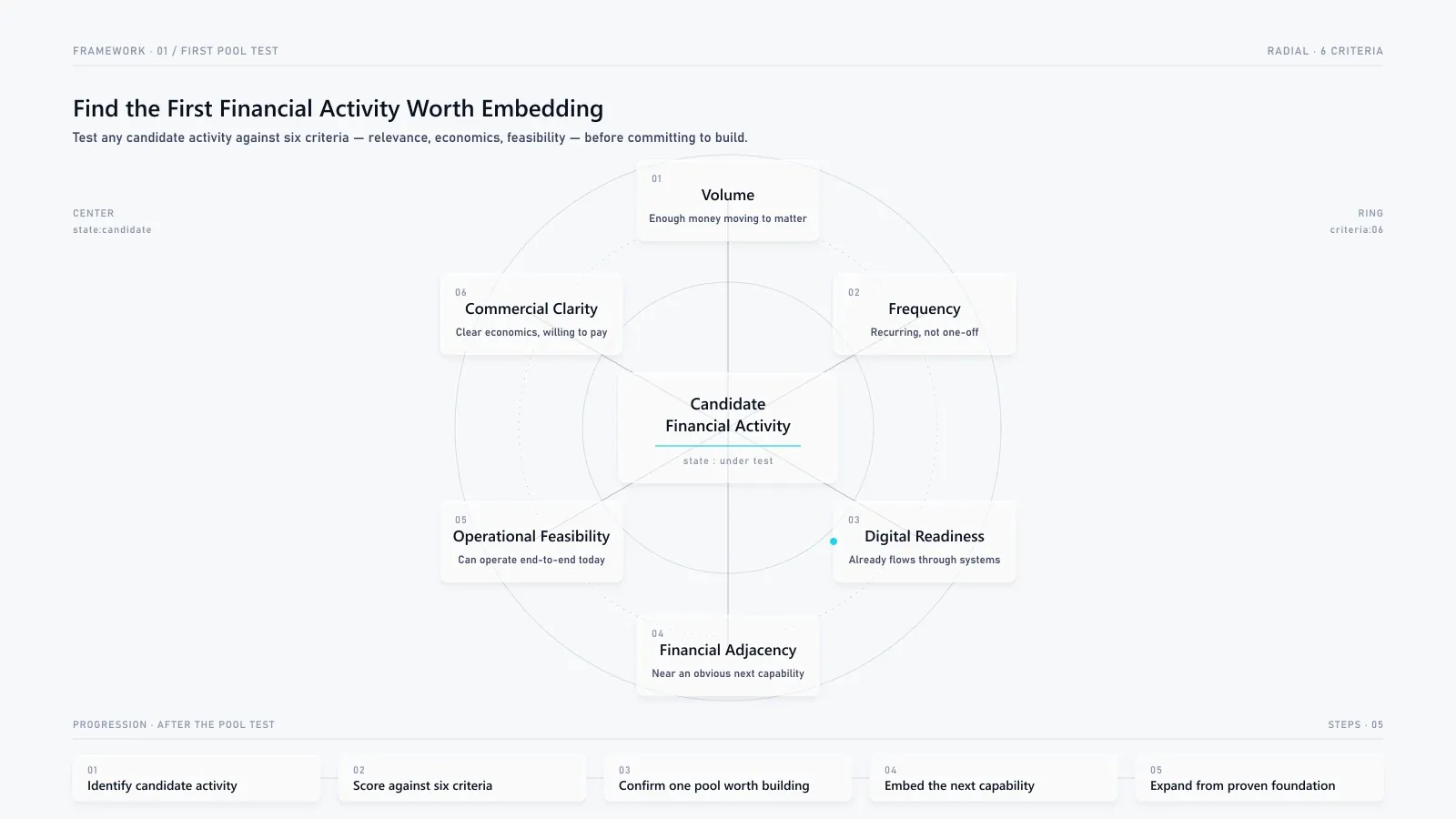
A practical way to prioritize opportunities is to define a first activity pool. A pool is a bounded population of financial events that can be evaluated as one starting market inside the institution.
For example, rather than asking whether an insurer should launch a financial account product, evaluate one payout population with clear digital behavior and repeatable economics. Rather than asking whether a card issuer should become a cross-border payments provider, evaluate one group of business customers already using the card relationship for relevant commercial spend.
The first pool should be large enough to matter and narrow enough to operate.
Evaluate the pool across six questions
Volume: Is there enough financial activity to create meaningful customer and economic value?
Frequency: Is the event recurring, or does it create a reason for continued use after the first transaction?
Digital readiness: Can the customer experience be delivered naturally inside an existing digital surface?
Financial adjacency: What useful actions naturally follow the event, such as holding, paying, converting, protecting or transferring value?
Operational feasibility: Can the required infrastructure, controls, settlement and reconciliation be operated reliably?
Commercial clarity: Can the value pool and revenue logic be measured without relying on vague engagement assumptions?
This is not a scoring exercise for its own sake. The purpose is to eliminate weak opportunities early and identify the one financial flow where a first product can prove real behavior and economics.
The customer experience should become simpler, not more financial
A common failure in embedded finance is to expose the infrastructure as the product. Customers are asked to understand accounts, rails, settlement, liquidity or FX mechanics that should remain behind the experience.
The better model starts with the job the customer already recognizes.
A customer receiving money should understand that the money is available and what they can do next. A business paying a supplier should understand the amount, destination, funding method and status. A platform protecting a future transaction should understand the price and outcome.
Behind that simple interaction may sit wallet and ledger infrastructure, payment execution, FX conversion, liquidity, settlement, controls, reconciliation, APIs and exception handling. The depth belongs underneath. The customer should encounter the value, not the architecture.
Model the economics before scaling the proposition
Once a candidate pool is identified, model the economics with real operating assumptions.
The model should separate the sources of economic value rather than presenting one large theoretical number. Depending on the use case, that may include economics from balances, payment activity, FX, financing, protection or another approved financial action.
Then test the assumptions that actually determine the outcome: eligible volume, adoption, average balance or holding time where relevant, transaction frequency, average ticket, currency mix, cross-border share, unit economics, operating cost and the commercial allocation between the parties involved.
The goal is not to make the opportunity look large. It is to understand whether the product can create enough customer and commercial value to justify launch and expansion.
Do not make the first launch carry the entire strategy
The first embedded product should prove a repeatable operating and economic pattern, not represent the final destination.
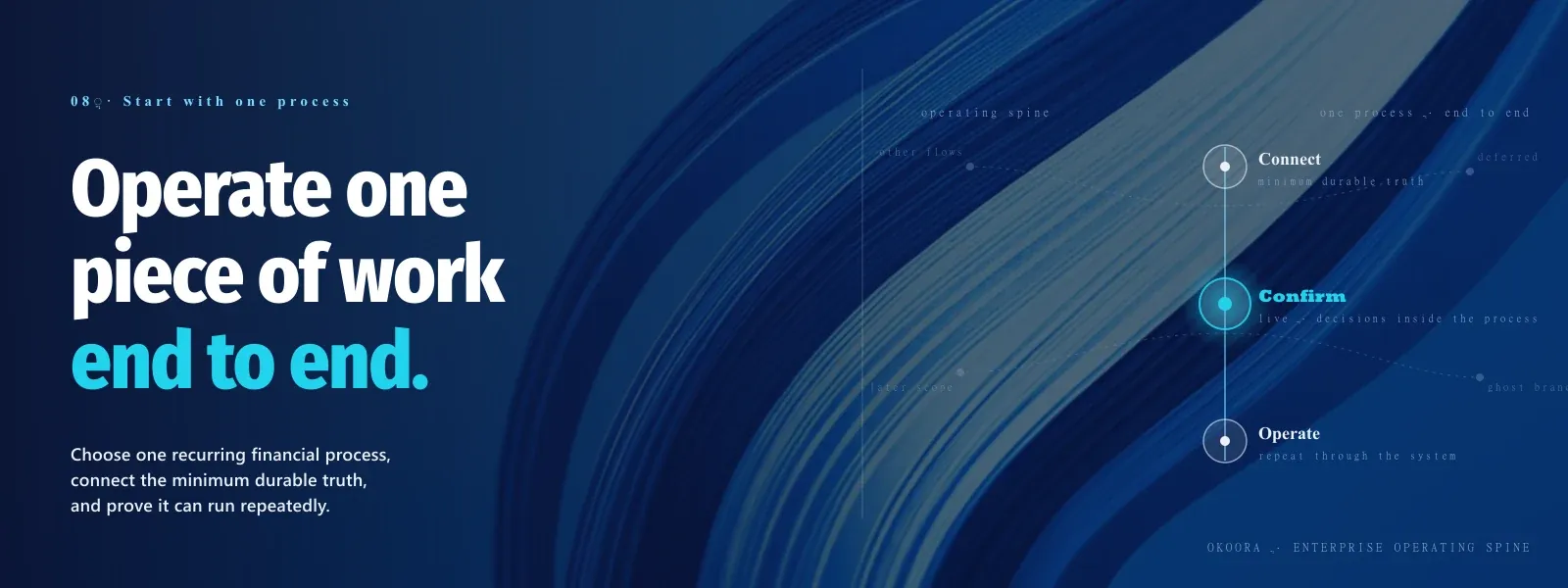
Start with one activity pool, one customer experience and a bounded set of financial capabilities. Measure adoption, activity, economics, operational reliability and the next behavior that naturally follows.
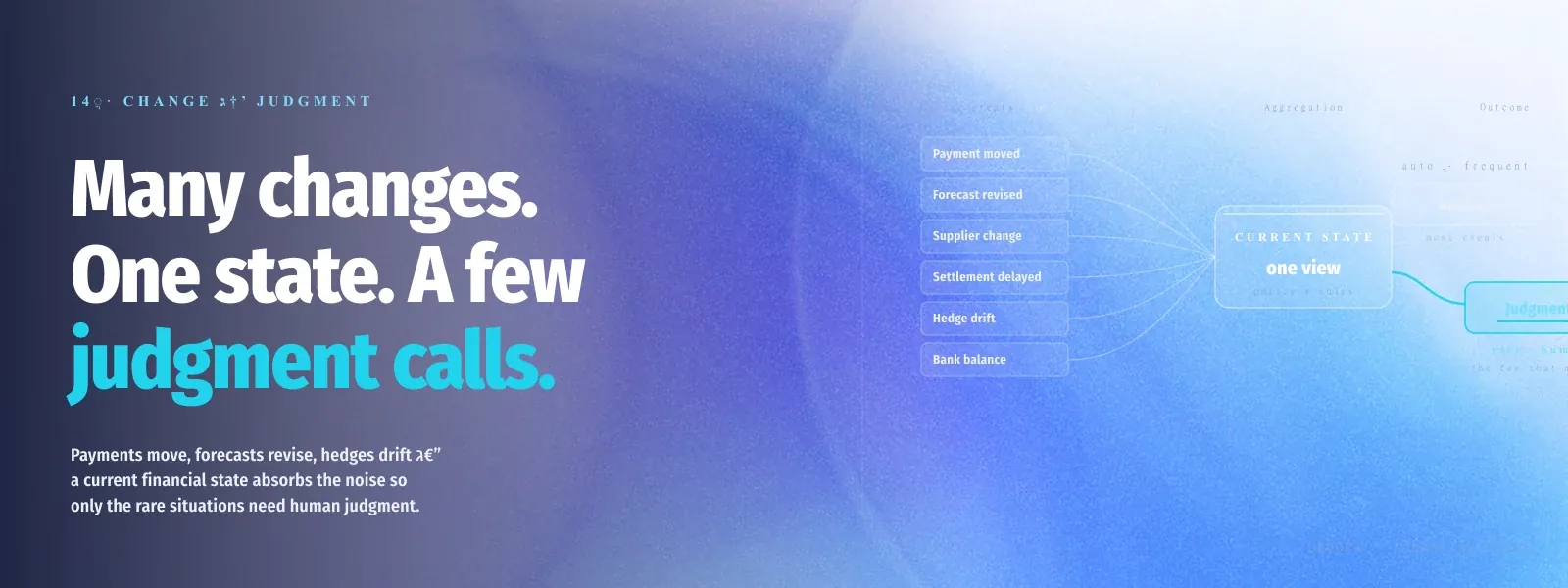
If the first use case works, the same relationship can expand. A balance can lead to payments. Payments can create FX activity. Transaction data can support smarter pricing or protection. A single embedded capability can become a broader financial relationship.
The expansion should be earned by observed customer behavior, not assumed in the original business case.
The institution should keep the customer. Infrastructure should stay underneath.
For banks, insurers, card issuers, fintechs and platforms, the strategic value of embedded financial infrastructure is not that another provider appears in front of the customer.
The institution should continue to own the brand, customer relationship, experience, proposition and policy. The infrastructure layer should operate the financial capabilities underneath: accounts or balances where required, payments, FX, liquidity, settlement, controls, reconciliation and integration.
That separation allows an institution to add financial depth without forcing every new product to become a multi-year core build.
A practical decision sequence
When evaluating where to begin, use this sequence:
Find the financial activity already happening inside the customer relationship.
Choose one bounded pool where the activity is meaningful and measurable.
Define the customer outcome before selecting the financial building blocks.
Map the infrastructure and controls required behind the experience.
Build the economics from real assumptions and explicit value sources.
Launch narrowly, measure real behavior, then expand only where the evidence supports it.
The important strategic shift is simple: do not begin by asking which financial product your institution should add. Begin by asking which financial activity you already touch is valuable enough to operate further.
That is often where the shortest path to a new product, a stronger customer relationship and a new revenue stream begins.
Okoora operates the intelligence, infrastructure, execution and control underneath embedded financial products, allowing institutions and platforms to turn existing financial activity into new customer capabilities without rebuilding the financial stack.
NEXT STEP See how Okoora can help turn existing customer financial activity into a new embedded product and revenue path.