 Okoora TeamOkoora
Customer activity can be product value and economic value at the same time
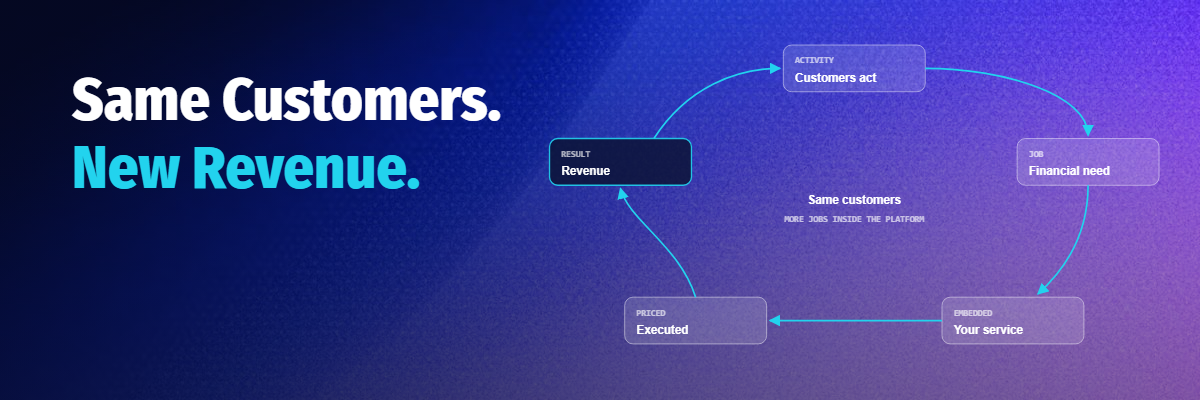
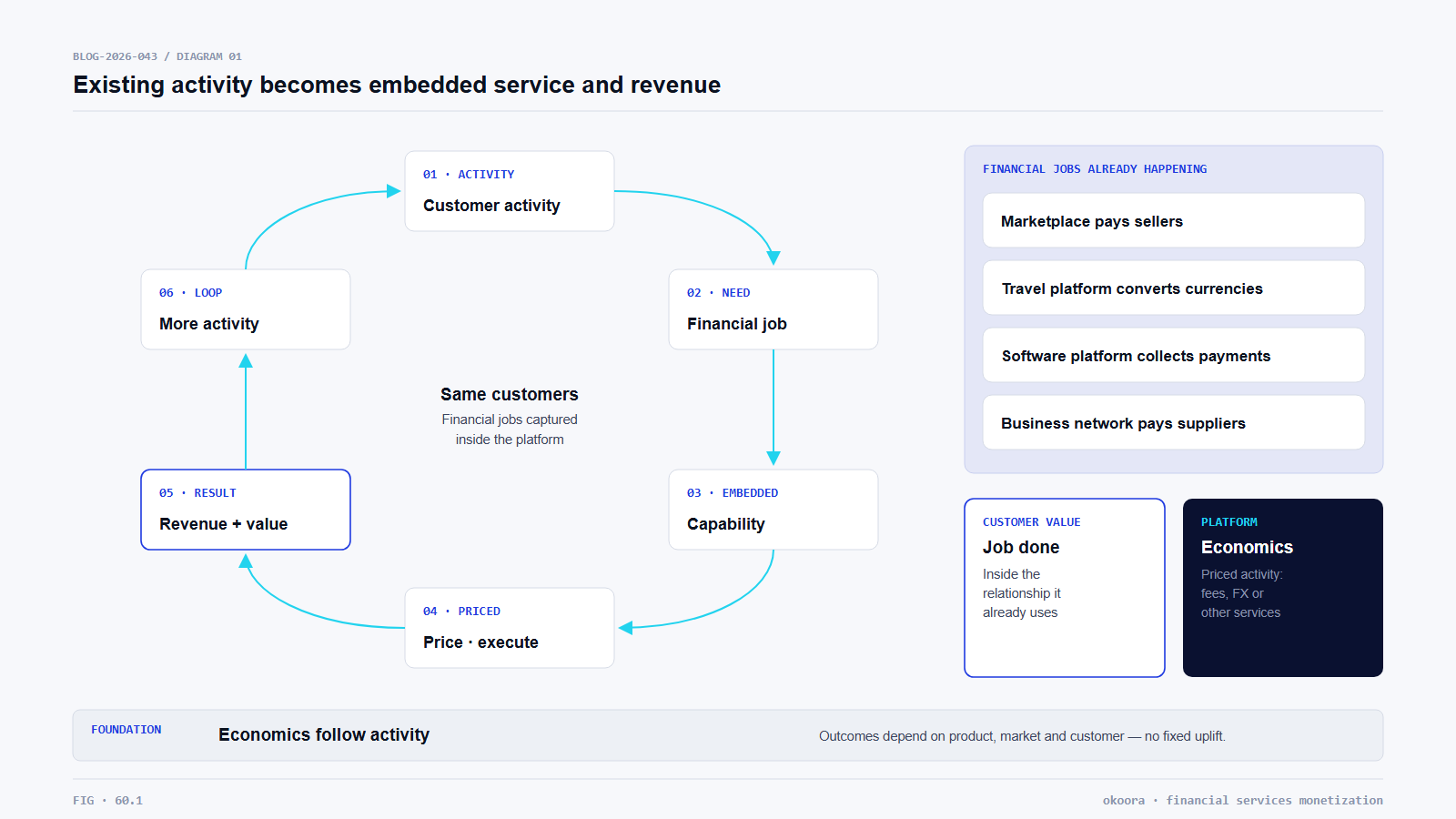
A platform may already sit in the middle of commercial activity that creates financial needs: sellers need payouts, customers need to pay, merchants receive money, businesses hold different currencies and users convert or protect value. If those financial actions happen outside the platform, the platform keeps the relationship but another provider captures the financial activity. Bringing the capability inside can create a better customer experience and a new source of revenue from the same customer base.
Start with a financial job customers already have
The strongest embedded financial products usually begin with an action that is already part of the customer's work. A marketplace pays sellers. A travel platform receives and converts multiple currencies. A software platform collects subscription payments. A business network pays suppliers. The platform does not need to invent financial demand. It needs to make an existing financial job easier to complete inside the relationship the customer already uses.
Revenue requires more than moving money
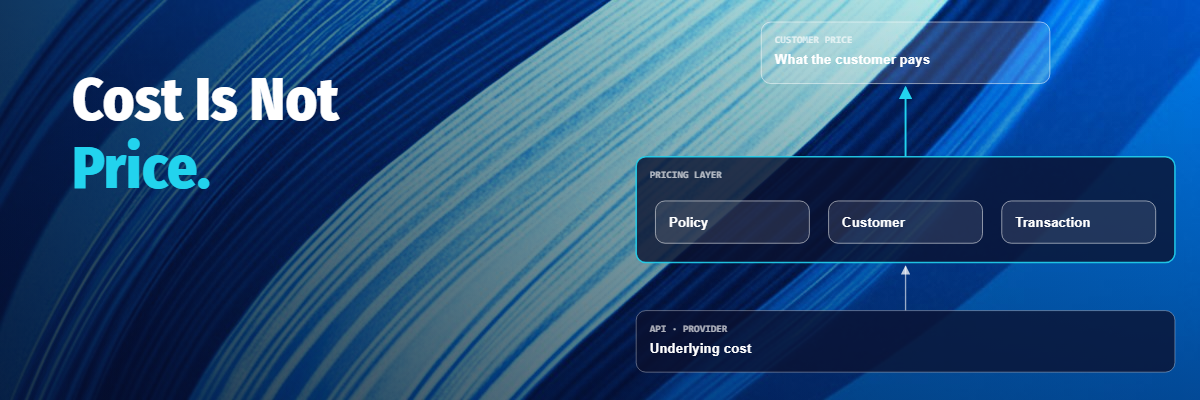
Infrastructure alone does not determine the business model. The platform needs to decide which activities it prices, how the price is expressed and how that economics relates to the underlying provider cost. A collection fee, payout fee or FX markup may each create a different revenue surface. The exact model depends on the product, market and customer, but the general principle is consistent: the financial service needs a pricing layer as well as an execution layer.
Transaction-level pricing creates a compounding effect
When revenue is linked to financial activity, the economics can grow with customer usage. More payouts, conversions, collections or balances can create more economic participation without a new software sale for each transaction. That makes the quality of the transaction record important. The platform needs to know which customer acted, what was charged, what underlying cost applied and what margin or fee resulted.
The platform should control the customer proposition
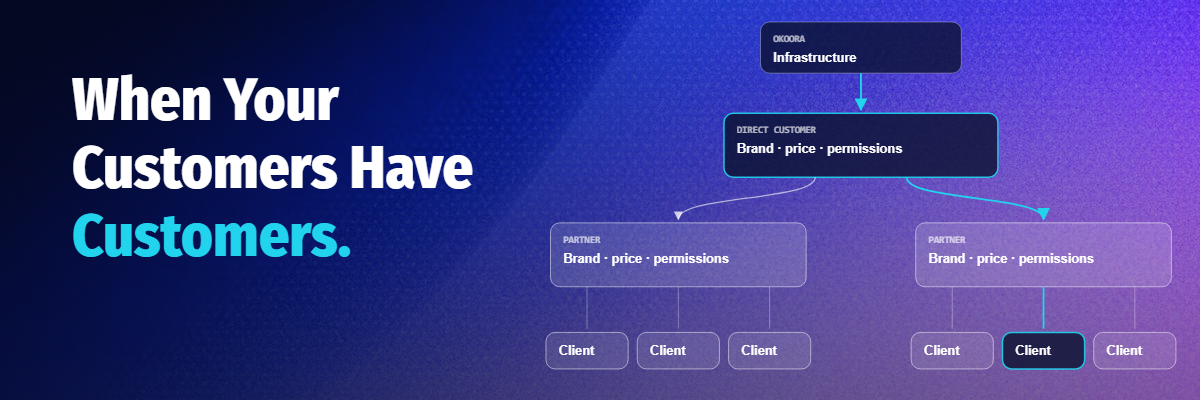
The financial capability should strengthen the platform's own relationship, not send the customer into someone else's experience. That means brand, pricing policy and the product journey remain with the platform while the regulated or market infrastructure can operate underneath. The closer the financial job is to the platform's core workflow, the more natural adoption can become.
Expansion can happen across adjacent financial jobs
A customer that first uses collections may later need conversion. A seller paid through the platform may want a balance or account. A business converting currencies may have a future exposure worth hedging. Because these needs sit around the same financial activity, the platform can deepen the service over time instead of treating each capability as an unrelated product launch.
Where Okoora fits
Okoora enables platforms and institutions to embed accounts, collections, payouts, FX and hedging under their own brand, together with pricing and financial controls. That allows organizations to turn financial activity already happening around their customers into a service they can operate and monetize, without building every financial component independently.